
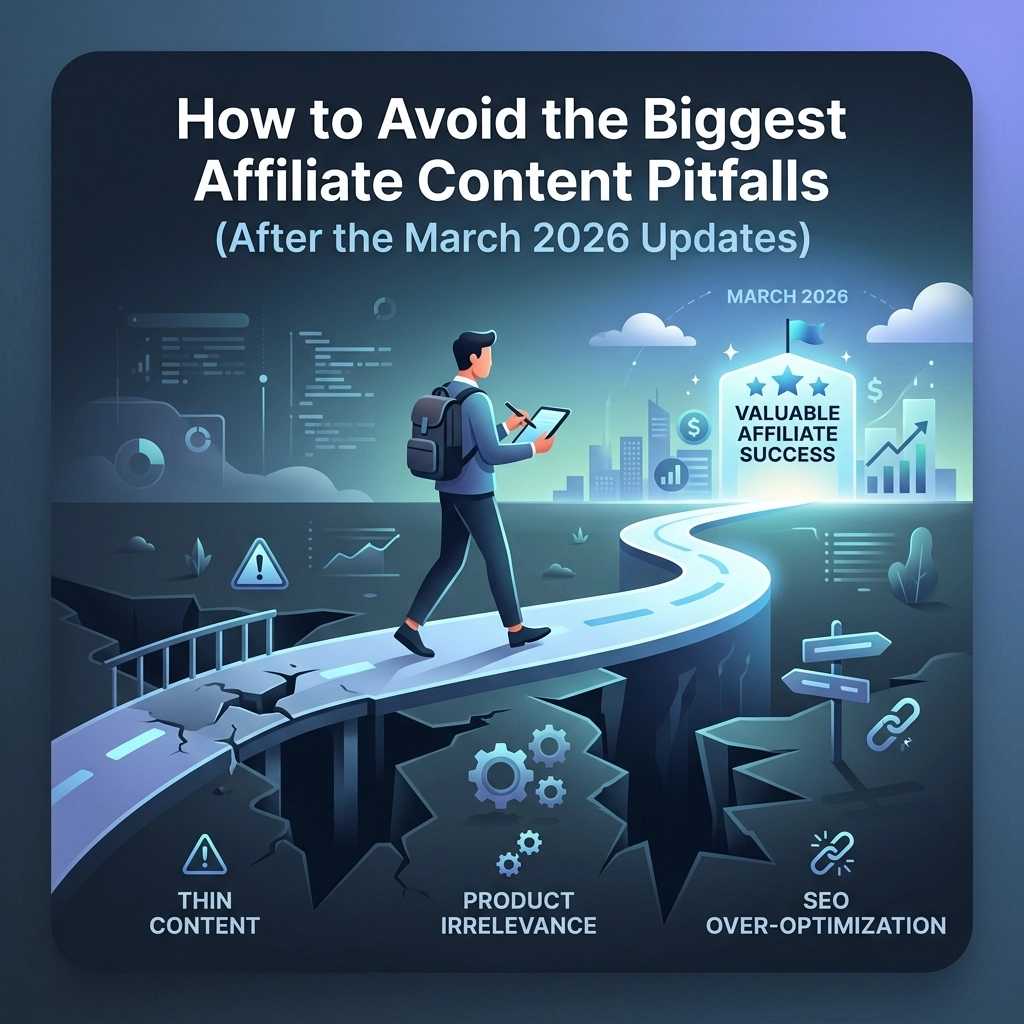
The affiliate marketing landscape changed significantly in March 2026. If you are noticing a dip in traffic or lower engagement, you are not alone. Platforms have shifted their focus toward "editorial neutrality" and "user-first" experiences. The old way of shouting about the "best" products is being replaced by a more refined, curated approach.
At Performance Specialties, we believe in a "clean" style of marketing. This means we focus on helping people find what they need rather than pushing them to buy. To stay relevant this year, you need to ditch the hype and embrace transparency.
The Shift in Search and Trust
The March 2026 updates hit affiliate sites harder than almost any other category. This happened because many sites were relying on "thin content" that didn't offer real value. If your pages look like a giant list of ads, search engines and users are likely to look elsewhere.
• Better transparency leads to higher long-term trust ✅
• Editorial neutrality helps your content rank higher in the new algorithm ✅
• Clean layouts reduce "decision fatigue" for your readers ✅
We think it is time to look at your content through a different lens. Instead of being a salesperson, try being a "helpful curator."
Pitfall 1: The "Hype Trap" and Superlatives
One of the biggest mistakes we see is the use of "hype-heavy" language. Using words like "unbelievable," "mind-blowing," or "the ultimate solution" often triggers a skeptical response from modern audiences. After the recent updates, people are looking for "factual" and "balanced" information.
When you label everything as "the best," you lose credibility. If every product is perfect, then no product is special.
What you get by being neutral:
• You become a "trusted advisor" rather than a pushy vendor.
• Readers spend more time on your page because they don't feel "sold to."
• You avoid the "hype fatigue" that causes users to bounce.
Try using conversational qualifiers like "worth checking out" or "we think this fits well for…" This sounds more like a recommendation from a friend and less like a scripted advertisement.

Pitfall 2: The "Link Jungle" and Poor UX
Overloading your pages with affiliate links is a major "trust killer." If a reader has to dodge three banners and five pop-ups just to read a paragraph, they will leave. The March 2026 update specifically looked for "obtrusive" monetization.
A "clean" user experience is now a ranking factor. You want your site to feel like a high-end resource, not a digital flea market.
• Limit the number of affiliate links per section 🧾
• Use clear, "distraction-free" call-to-action buttons 🧾
• Ensure your page loads quickly by removing heavy, "flashy" scripts 🧾
If you are looking for a practical example of how to build a resource that converts without being pushy, our Curator's Guide is a great place to start. It focuses on structure over "sales tactics."
Pitfall 3: Treating Content as "Isolated Production"
Many creators make the mistake of building generic pages for "multiple audience types." This dilutes your relevance. If you try to speak to everyone at once, you end up speaking to no one.
The update in March favored "audience-specific" content. For example, a guide for a 21-Day Smoothie challenge should be specifically for people looking for a quick dietary reset, not a general fitness guide.
The Fix:
• Create content silos for specific niches.
• Use "segment-specific" messaging.
• Focus on "solving a problem" rather than listing features.
By narrowing your focus, you increase your "contextual relevance." This makes your site more authoritative in the eyes of search engines.
Pitfall 4: The "Invisible Data" Crisis
Tracking has become harder in 2026. With new privacy laws and platform changes, many affiliate clicks are becoming "untrackable." If you are only looking at your dashboard, you might be missing half the story.
You need to focus on "engagement metrics" like scroll depth and time on page. If people are reading your content but not clicking, your "calls to action" might be too weak or misplaced. If they are clicking but not buying, the "offer" might not match the "promise" of your content.

Pitfall 5: Compliance as an Afterthought
Compliance is no longer optional or something to hide in the footer. The March 2026 updates prioritized sites that are "immediately transparent" about their commercial relationships.
Using "casual but clear" disclosure language at the top of your posts is the best way to handle this. Something like, "We might earn a small commission if you buy through our links, which helps us keep the lights on," works well. It is honest and doesn't feel like a "legal warning."
• Place disclosures where they are "easily visible" ✅
• Be honest about why you are recommending a product ✅
• Keep your Terms and Policy pages updated ✅
Ignoring these rules can lead to "account suspensions" or your site being de-indexed. It is much better to be safe and transparent from the start.
The Performance Specialties Approach
We believe that the future of affiliate marketing belongs to the "honest curator." Our goal at Performance Specialties is to provide a clean, clutter-free environment for users to discover products that actually help them.
We avoid the "blunt force" spending traps and focus on organic, "trust-based" growth. This means we don't buy "junk traffic" and we don't use "clickbait" titles.
Our Content Strategy Checklist:
• Is the tone "helpful" rather than "salesy"?
• Does the layout feel "clean" and "professional"?
• Are we being "transparent" about our links?
• Is the information "factual" and "neutral"?

How to Audit Your Current Content
If you have older posts that aren't performing, it is time for a "content refresh." You don't always need to write something new; sometimes you just need to fix what you have.
- Remove the Superlatives: Go through your posts and delete words like "best," "cheapest," and "perfect." Replace them with "reliable," "affordable," or "effective."
- Declutter the Layout: Remove sidebars that are packed with banners. Give your text "room to breathe."
- Update the Disclosure: Move your affiliate disclosure to the top of the post. Make it "part of the conversation."
- Check the Links: Ensure all links go to the "correct landing page" and that the offer is still valid.
Final Thoughts on the 2026 Landscape
Affiliate marketing isn't dying; it is just "growing up." The March 2026 updates were a wake-up call for the industry to move away from "get-rich-quick" tactics and toward "long-term value."
By focusing on a "clean" brand tone and "editorial neutrality," you can build a sustainable business that survives any future algorithm changes. It takes more work to be a curator than a salesperson, but the "rewards" in trust and conversion are worth the effort.
For more insights on building a clean affiliate business, check out our blog archive. We regularly post updates on how to navigate the changing world of digital marketing without losing your integrity.
Disclosure: We are a professional review and curation site. We receive compensation from the companies whose products we review or recommend. We test and use these products ourselves to ensure we are only suggesting things that provide real value. This help us keep our content free for you to read.
Leave a Reply