
Before we get into the details, we want to be "upfront" about how this works. This post contains affiliate links for a program we’ve reviewed. If you decide to pick it up through our link, Performance Specialties might earn a small commission at no extra cost to you. We like to keep things transparent while sharing resources we think are "worth checking out."
Finding a health routine that actually fits into a "busy schedule" is often the hardest part of wellness. Most people start with great intentions but get tripped up by complicated recipes or expensive supplements. The 21-Day Smoothie Diet is a digital program designed to remove that friction by providing a "done-for-you" structure.
In this post, we are taking a neutral, practical look at what the program actually offers and how it functions in a real-world environment.
What the Program Actually Is
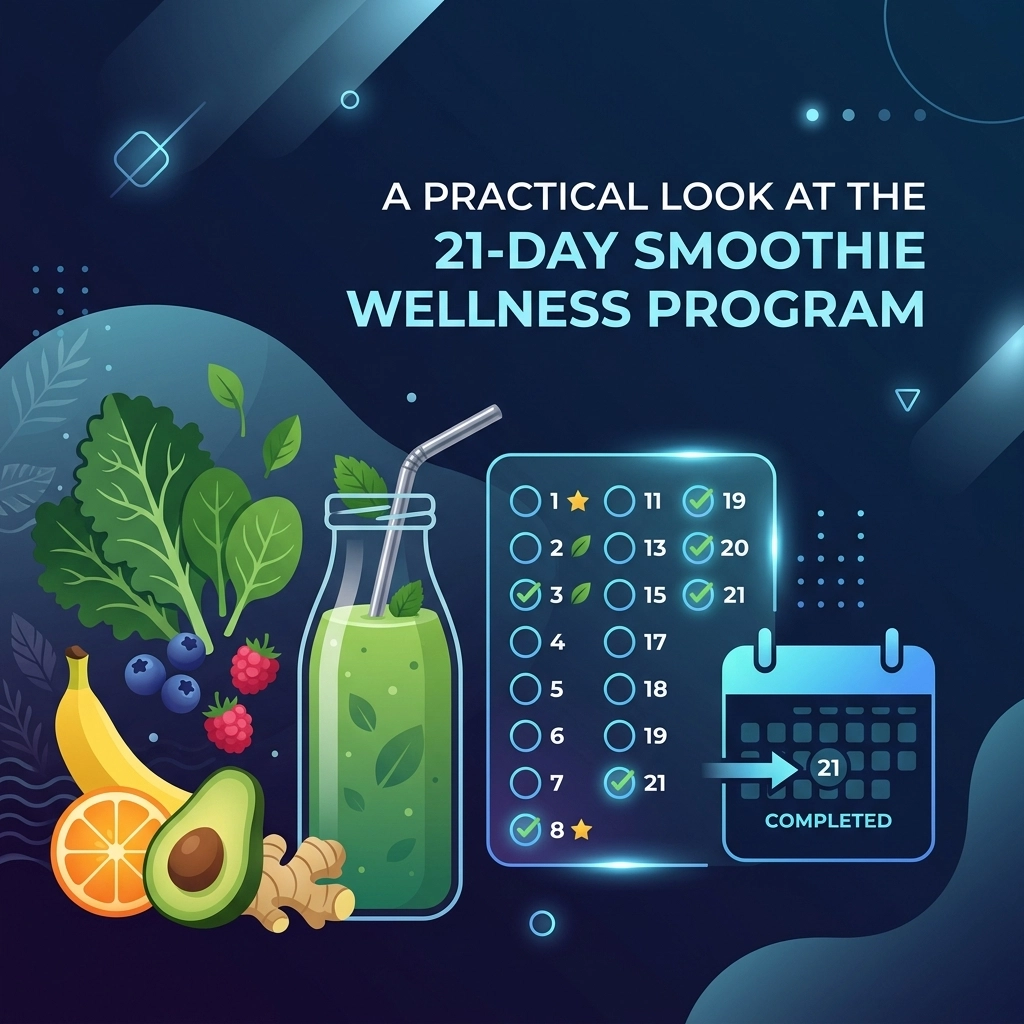
At its core, the 21-Day Smoothie Wellness Program is a comprehensive digital guide (PDF) that outlines a three-week plan for nutritional reset. It isn't a "magic pill" or a fast-track to overnight results. Instead, it focuses on "meal replacement" logic.
• It replaces two of your daily meals with specific nutrient-dense smoothies.
• You eat one "solid" meal per day based on their recommendations.
• You have access to "approved" snacks to keep hunger levels stable.
• The program lasts for exactly 21 days to help establish a "consistent" habit. ✅
The goal is to reduce caloric intake while significantly increasing the volume of vitamins, minerals, and fiber you consume. It’s a "structured" approach for people who don't want to spend hours researching what to eat.
What You Get in the Package
When you look at the 21-Day Smoothie Program, you aren't just getting a list of drinks. The package is designed to be a "full-service" digital resource. Here is exactly what is included in the download:
- 36 Unique Smoothie Recipes: These aren't just random fruit blends. Each recipe is balanced for specific "nutritional profiles." 🧾
- Weekly Shopping Lists: This is probably the most practical part of the guide. It tells you exactly what to buy each week so you don't waste money on "extra" produce that might go bad.
- A 21-Day Schedule: A day-by-day calendar that tells you which smoothie to have and when.
- The "Solid Meal" Guide: Advice on what to eat for your one non-smoothie meal so you don't undo your progress.
- Prep Tips and Shortcuts: Advice on how to make the program work if you have a "full-time job" or a family to feed.

The 21-Day Phase Structure
The program doesn't expect you to jump into the deep end on day one. It follows a "logical progression" that helps your body and your palate adjust to the change in diet.
The "Detox" Kickstart
Many users choose to start with a short three-day "cleanse" period included in the manual. This is meant to reset your sugar cravings and prepare your digestive system for the fiber increase. It’s an optional "jumpstart" for those who feel they need a clean break from processed foods.
The Main 21-Day Cycle
During the three weeks, the recipes rotate to ensure you don't get "flavor fatigue." You’ll find different categories of smoothies:
• Green Blends: Focusing on leafy greens like spinach and kale.
• Protein Boosters: Using Greek yogurt, nuts, or seeds to keep you full.
• Fruit Medleys: Designed for natural energy and "sweetness" without added sugar.
• Recovery Smoothies: Heavier on antioxidants for skin and gut health.
The "Transition" Plan
The guide also covers what happens on day 22. It provides a "maintenance" strategy so you don't go right back to old habits. This is a "practical" addition that many other programs overlook.
Why This Structure Works for Real Life
Most people fail at "diets" because of decision fatigue. When you get home from a long day, the last thing you want to do is calculate macros or "guess" what is healthy.
We think the "prescriptive" nature of this plan is its biggest strength.
• You don't have to "think" about what’s for breakfast or lunch. ✅
• The shopping list is "pre-made," which saves time at the grocery store.
• The recipes take about five minutes to make, which fits into a "morning rush."
It’s about "simplification." By removing the need to make choices about two-thirds of your food, you have more mental energy to focus on making that one solid meal a "healthy" one.

Looking at the Ingredients
The program relies on "whole foods" that you can find at any standard grocery store. You won't find yourself hunting for "exotic" powders or expensive superfoods that you'll never use again.
Typical ingredients include:
• Fruits: Bananas, berries, mangoes, and pineapple.
• Vegetables: Spinach, kale, cucumbers, and carrots.
• Healthy Fats: Avocado, almond butter, and flaxseeds. ✅
• Protein/Base: Almond milk, coconut water, or Greek yogurt.
Because the ingredients are "standard," the cost of the program is mostly just your weekly grocery bill. There are no "hidden" monthly subscription fees or mandatory supplement purchases.
Practical Pros and Cons
To keep this a "neutral" look, it’s important to weigh the realities of the program.
The Pros:
• Highly Organized: The PDF is easy to navigate on a phone or tablet while in the kitchen.
• Time-Saving: Blending a meal is faster than cooking one.
• Fiber-Rich: Most people don't get enough fiber; this program fixes that "immediately." ✅
• Affordable: The one-time cost of the guide is lower than most "boutique" fitness plans.
The Cons:
• Prep Required: You still have to wash and chop vegetables (though you can do this in batches).
• Blender Dependency: You need a decent blender to get the texture right.
• Social Challenges: It can be "tough" to stick to the plan if you have a lot of lunch meetings or social dinners. 🧾

Is It Right for You?
We think this program is "worth checking out" if you fall into one of these categories:
• You are "always busy" and usually skip breakfast or grab fast food for lunch.
• You want a "reset" after a holiday or a period of poor eating.
• You prefer "clear instructions" over general health advice.
• You are looking for a "low-cost" way to improve your nutrition.
If you prefer eating three heavy, hot meals a day, a smoothie-based plan might be a "difficult" adjustment. However, for those looking for a "streamlined" approach to wellness, the structure here is very solid.
How to Get Started
If you want to look at the specifics of the plan or see some of the recipe examples, you can visit the Official 21-Day Smoothie Page.
The process is "straightforward":
- Download the digital guide.
- Review the "Week 1" shopping list. ✅
- Clear out some space in your fridge for "fresh produce."
- Start your 21 days whenever you feel ready.
For more resources on how we curate these types of programs, you might find our Curator's Guide helpful for understanding how we select the products we feature.
Final Thoughts on Consistency
At the end of the day, no program works unless you "actually do it." The 21-Day Smoothie Wellness Program doesn't claim to be a miracle, but it does provide a "practical roadmap." It takes the guesswork out of healthy eating and replaces it with a "repeatable" system.
Whether you want to lose a few pounds, clear up your skin, or just feel less "sluggish" in the afternoons, a 21-day commitment is a manageable window of time to see what your body can do when fueled with "better ingredients."

Transparency Disclosure
Performance Specialties is an affiliate for the 21-Day Smoothie Diet. This means we may receive a commission if you click a link and purchase the program. We provide these reviews to help you make "informed" decisions about your wellness journey. You can read our full Terms and Privacy Policy for more information on how we handle our recommendations.
Leave a Reply